 GAI Insights Team
Dr. John J. Sviokla: 3 Takeaways on AI
At Generative AI World, we heard from Dr. John J Sviokla, co-founder of GAI Insights and former business leader at PwC; here are three of his main...

In the past year, AI has gone from clumsy music toy to a genuine creative force, capable of generating remixed tracks that feel fresh, emotionally charged, and radio-ready. When a 1960s Motown version of California Love can move you as much as the original, the ground has shifted: we’re staring at a near future of hyper-personalized, AI-native music where every listener, brand, and moment can have its own soundtrack.
AI-generated remixes are now good enough to be genuinely moving, not just clever tech demos.
We’re on the verge of hyper-personalized music, with potentially hundreds of AI versions of a single hit tailored to taste, mood, and context.
The cost of producing compelling AI music has dropped to tens of dollars and hours, not tens of thousands, radically lowering the barrier to experimentation.
For companies, AI music means brands can be “wrapped” in custom soundtracks that are emotionally resonant, on-message, and endlessly adaptable.
The main constraint is shifting from technology to human imagination—what stories, experiences, and emotions we choose to design around this new capability.
Just 12 months ago, many believed that “AI can’t create new knowledge” and “AI can’t create new music.” Both assertions have proven false.
The latest AI-driven music remixes are simply outstanding.
Experts note that the human brain is particularly receptive to musical imprinting during adolescence, typically between ages 12 and 22. Below are my three current favorites—each of which moved me emotionally and could easily become a mainstream hit. What happens when there are, say, 500 AI versions of each of just these three songs? Are we entering a world of hyper-personalized music? Will a hit song, movie, or painting still need to be the same for everyone?
Listen to this.
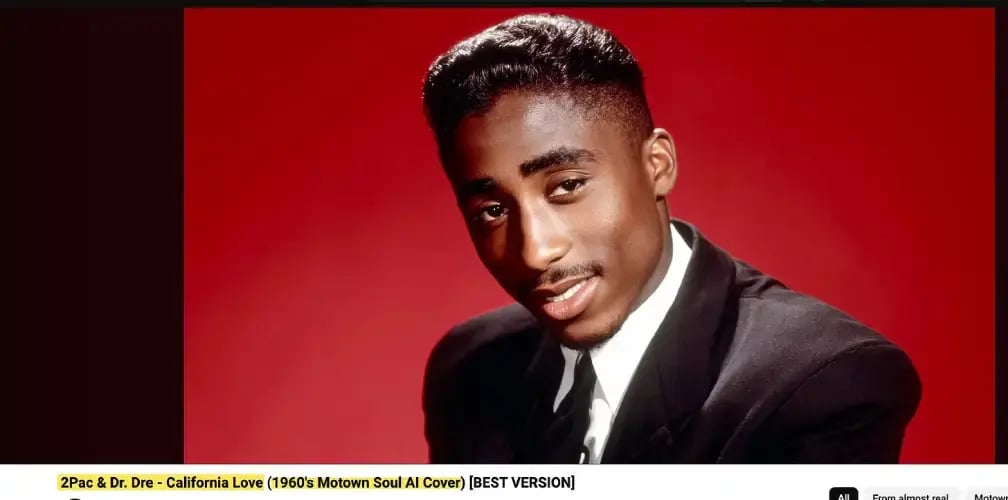
2Pac & Dr. Dre - California Love (1960’s Motown Soul AI Cover) by almost real. This is a wonderful soul rendition that I listened to at least 7 times yesterday.
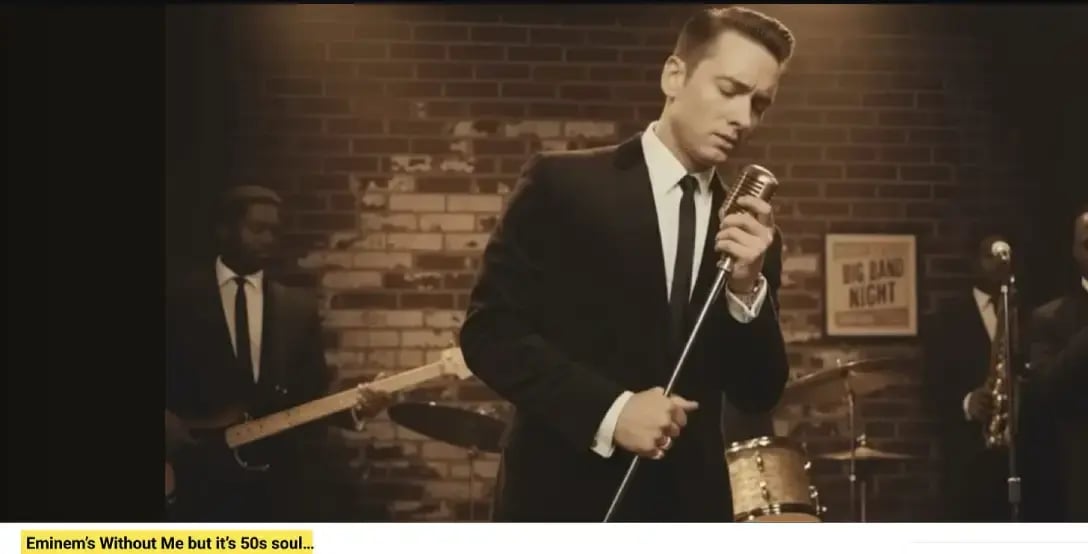
Eminem’s Without Me but it’s 50s soul by Aurelia A unique, upbeat and fun version.
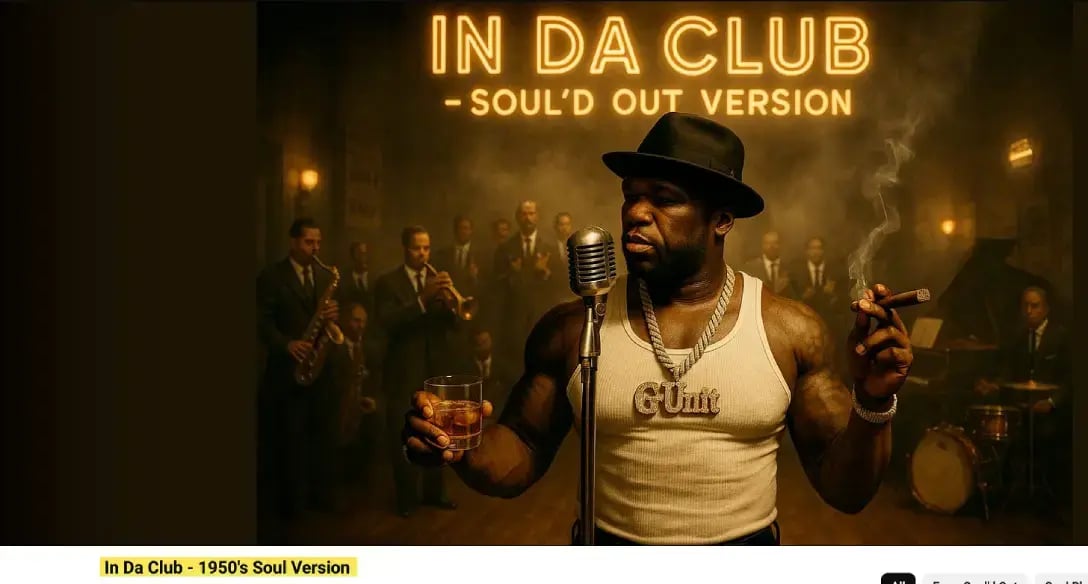
In Da Club - 1950’s Soul Version by Soul’d Out. This version has a slow, strained intro and then fun harmony.
The Velvet Sundown “band” on Spotify is 100% AI generated and has 5 million listens/downloads (but not nearly as good in quality).
These and hundreds of others were built for very low dollars (perhaps less than $100 in time and AI software)
For AI leaders and executives, the ability to cost-effectively wrap your brand or product with a highly unique, emotionally moving, and viscerally communicative experience is now technically unconstrained. Human imagination is the only remaining bottleneck.
What are your favorite AI-generated remixed songs?
“ Anything that must be done, virtue can do with courage and promptness. For anyone would call it a sign of foolishness for one to undertake a task with a lazy and begrudging spirit, or to push the body in one direction and the mind in another, to be torn apart by wildly divergent impulses.” -- Seneca
Onward,
Paul
.
The gender gap in AI isn’t just shrinking—it’s reversing the narrative. Women in GenAI are rewriting the rules, not waiting to be included but...

Two decisions now define enterprise AI: the model you run, and the architecture that decides what it costs and what stays yours. The 2026 Corporate...